Kanheri Caves

About

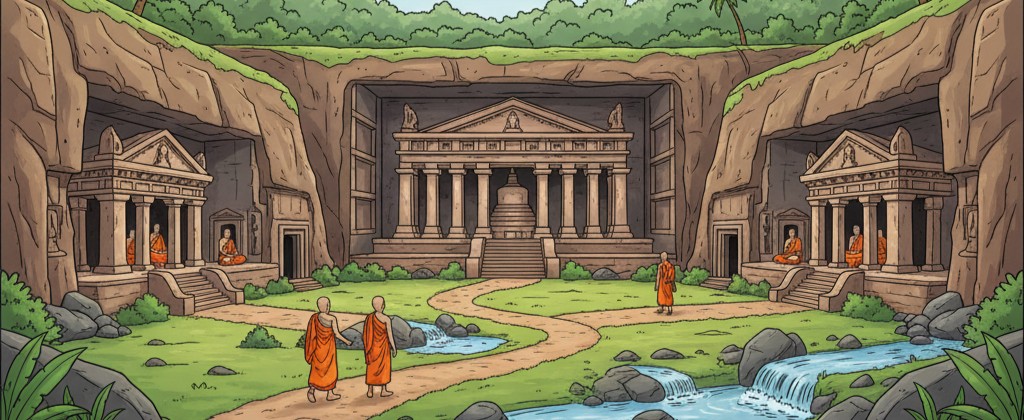
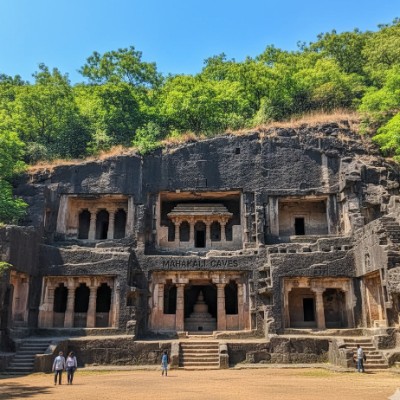
Kanheri Caves, Mumbai represent one of India’s largest and oldest Buddhist rock-cut cave complexes, flourishing between 1st century BCE and 10th century CE. Carved deep inside the forested landscape of Sanjay Gandhi National Park, the caves served as an important monastic university, meditation centre and pilgrimage stop along ancient trade routes that connected western India to major port towns.

The site comprises more than 100 basalt-rock caves developed across multiple phases — from simple monk cells to grand chaitya halls and large stupas. Inscriptions in Brahmi and Devanagari scripts reveal donations by monks, merchants and traders, reflecting the economic networks that supported the monastery.

The evolution from Hinayana to Mahayana Buddhism is clearly visible in the architectural styles, carved façades, iconography and expansion of large prayer halls. Positioned atop a hill, the complex also offered strategic visibility and natural protection. Today, Kanheri Caves stand as a major ASI-protected heritage site, known for its archaeological depth, trekking experience and serene forest ambience.

  • Origins trace back to 1st century BCE; expansion continued up to 10th century CE.

  • More than 100 basalt caves, carved across different dynastic periods.

  • Functioned as a Buddhist monastic centre, meditation hub and educational institution.

  • Contains Brahmi and Devanagari inscriptions documenting patronage.

  • Architectural evolution shows Hinayana to Mahayana transition.

  • Located inside Sanjay Gandhi National Park, surrounded by thick forest.

  • Currently managed and protected by the Archaeological Survey of India (ASI).

  • Once a major stop along ancient trade routes of western India.
Architecture & Design πŸ›οΈ

The architecture of Kanheri Caves, Mumbai represents one of the most advanced examples of ancient rock-cut Buddhist engineering in India. Carved directly into the volcanic basalt hills of Sanjay Gandhi National Park, the caves showcase a progression from simple monk quarters to elaborate prayer halls, monumental pillars and intricate carvings created over nearly a millennium.

At the core of the layout are the viharas — compact monastic cells used for meditation, study and living. These are generally plain, emphasising simplicity, reflecting the early Hinayana phase. With time, the architecture evolved, resulting in richly designed chaityas (prayer halls) featuring high ceilings, stone ribbing and central stupas used for congregational worship. Many caves contain rock-cut benches, stone beds, large meeting areas and intricately carved façades depicting Buddhist symbols.

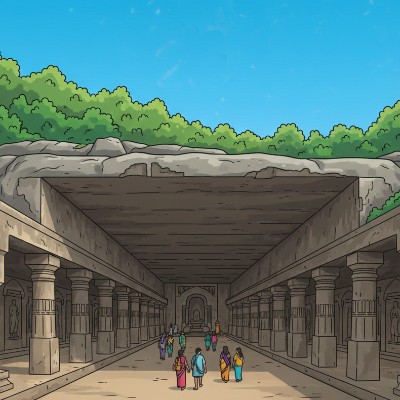
One of the most iconic structures is the grand chaitya hall (Cave 3) with its massive pillars, imposing façade and a giant central stupa. The complex also includes numerous stupas, carved reliefs of Buddha, well-planned water cisterns and raised platforms for gatherings. The site’s overall layout reveals meticulous urban planning, with pathways linking caves, viewpoints and meditation spaces across the hillside.

  • πŸ›• Contains viharas, chaityas and stupas carved from basalt.
  • πŸ›οΈ Cave 3 is a massive chaitya hall with towering pillars and a giant stupa.
  • πŸͺ¨ Early caves are simple; later ones show detailed carvings from Mahayana influence.
  • πŸͺŸ Features carved façades, prayer halls, niches and monastic assembly areas.
  • 🧱 Evidence of advanced stone engineering across multiple centuries.
  • πŸͺœ Staircases, pathways and terraces connect different cave clusters.
  • πŸ’§ Many caves integrate water channels and cisterns as part of the design.


Important Caves & Highlights

The Kanheri Caves, Mumbai complex features more than 100 rock-cut structures, but several stand out for their architectural brilliance, scale and historical value. These important caves illustrate the evolution of Buddhist monastic life and the gradual shift from simple meditation cells to large community spaces meant for teaching, prayer and gatherings.

The most celebrated structure is Cave 3, the grand chaitya hall. It features soaring pillars arranged symmetrically, an impressive stone-carved façade and a massive central stupa used for congregation and worship. Its sheer size and acoustics reflect the advanced engineering skills of ancient craftsmen.

Other significant caves include Cave 1, known for its spacious verandah and rock-cut benches, and Cave 2, which contains intricately carved pillars and niches. Cave 11 (the Darbar Cave) is notable for its large central hall, possibly used for assemblies and teaching. Cave 34 contains traces of ancient paintings, offering rare insights into early Buddhist art traditions.

Several smaller caves contain stupas, meditation cells and cisterns, providing glimpses of monastic routines. Higher viewpoints around the cave complex offer scenic panoramas of Sanjay Gandhi National Park, especially during monsoons when waterfalls appear along the hillsides.

  • πŸ›οΈ Cave 3 is the largest chaitya hall with a giant stupa and tall pillars.
  • πŸͺ¨ Cave 1 has a prominent verandah and seating carved into stone.
  • πŸ•―οΈ Cave 2 features decorative pillars and carved niches.
  • 🧘 Cave 11 (Darbar Cave) has a large hall used for gatherings.
  • 🎨 Cave 34 preserves faint traces of ancient Buddhist paintings.
  • πŸŒ„ Several upper caves provide panoramic forest views.
  • πŸ’§ Many caves integrate cisterns and water channels.
0212
Inscriptions, Artifacts & Conservation πŸ“œπŸ›‘οΈ

The Kanheri Caves, Mumbai preserve an extraordinary collection of ancient inscriptions and Buddhist heritage, offering insights into the lives of monks, donors, traders and pilgrims who shaped the complex over a thousand years. Most inscriptions are carved in Brahmi and later Devanagari scripts, documenting generous donations from merchants, monks, royal officials and pilgrims. These inscriptions mention the construction of viharas, cisterns, steps and stupas, revealing the site’s strong economic and spiritual support system.

Some caves also contain carved icons of Buddha, stupas, seated figures and symbolic motifs such as lotus patterns and wheel designs. Cave 34 is particularly notable for preserving faint traces of ancient paintings, offering a glimpse into early Buddhist art traditions in western India.

As an ASI-protected heritage site, Kanheri has undergone multiple conservation efforts, including structural stabilisation, clearing of vegetation, restoration of damaged carvings and preservation of inscriptions. Controlled pathways, railings and restricted access to sensitive areas ensure visitor safety and protect the site from degradation.

The artifacts, carvings and inscriptions highlight centuries of religious activity, making the site invaluable for archaeologists, historians and visitors.

  • πŸ“œ Contains Brahmi and Devanagari inscriptions documenting donations.
  • 🧘 Carved icons of Buddha, stupas and Buddhist motifs are present.
  • 🎨 Cave 34 features faint traces of ancient paintings.
  • πŸͺ¨ Inscriptions document monastic life and patronage.
  • πŸ›‘οΈ Managed and preserved by the Archaeological Survey of India (ASI).
  • 🚧 Conservation includes structural repairs and protective railings.
  • 🏺 Offers archaeological evidence of early Buddhist activity in Mumbai.


Rainwater Harvesting & Cisterns πŸ’§πŸͺ¨

One of the most remarkable features of the Kanheri Caves, Mumbai is its highly sophisticated rainwater harvesting system, showcasing the engineering brilliance of ancient Buddhist monks. Carved into the basalt hill slopes of Sanjay Gandhi National Park, the system ensured a reliable water supply for the monastic community throughout the year.

Dozens of rock-cut cisterns appear across the complex, often located near verandahs, entrances and pathways. These cisterns connect through carved channels that collect and divert monsoon rainwater from the higher slopes into storage tanks. Many cisterns still function naturally during monsoons.

Monks strategically positioned caves and pathways to maximise water collection. Some cisterns are large enough to store thousands of litres, supporting drinking, cooking, meditation routines and ritual activities.

This hydraulic network remains one of the best examples of early sustainable water management in Indian architecture, especially scenic during monsoons when waterfalls and flowing channels appear across the hillside.

  • πŸ’§ Dozens of rock-cut cisterns across the complex.
  • 🌧️ Channels collect monsoon rainwater from upper slopes.
  • πŸͺ¨ Cisterns carved into basalt, many still functional.
  • πŸ›• Supported daily monastic needs.
  • πŸ“ Strategic cave placement enhanced water flow.
  • πŸƒ Early example of sustainable water management.
  • 🌊 Monsoon season brings waterfalls and streams.
0412
Trekking Route & Visitor Guide

Visiting the Kanheri Caves, Mumbai is both a heritage and a nature experience. Located deep inside Sanjay Gandhi National Park, the journey includes walking, light trekking and stair climbs. The approach becomes especially beautiful during monsoons when the forest turns lush and waterfalls appear along the trails.

From the SGNP main gate at Borivali, visitors must travel around 5 to 7 km to reach the cave base. You may walk, cycle, use internal buses or hire shared vehicles depending on availability. The final stretch involves a moderately steep climb through stone staircases and shaded pathways.

The Kanheri Trail is a popular trekking route that leads through forest zones, viewpoints and seasonal streams. Suitable for beginners to intermediate trekkers, it offers opportunities to spot birds, butterflies and small wildlife.

For a smooth trip, begin early in the morning to avoid heat and crowds. Carry water, sunscreen and comfortable walking shoes. In monsoon months, paths may become slippery, so caution is recommended.

  • 🚢 Walk/trek distance inside SGNP: 5 to 7 km.
  • 🚲 Options: walking, cycling, internal buses, shared vehicles.
  • πŸͺœ Final approach includes stone staircases.
  • 🌳 Kanheri Trail offers scenic forest trekking.
  • πŸ¦‹ Good wildlife and bird-spotting chances.
  • 🌧️ Monsoon: greenery, streams and waterfalls.
  • πŸ”† Best to start early.
  • πŸ‘Ÿ Carry water and proper shoes.


Best Time to Visit / Seasonal Tips

The best time to explore the Kanheri Caves, Mumbai is during the monsoon and post-monsoon months when the forests of Sanjay Gandhi National Park turn lush, waterfalls appear and the weather becomes cool. Each season provides a unique experience.

Monsoon (June to September) is the most scenic period with flowing streams and misty views, though pathways can be slippery.

Winter (October to February) offers mild, comfortable weather ideal for long walks and photography.

Summer (March to May) is hot and humid, so early morning visits are recommended with adequate hydration.

Weekends can get crowded, making weekday mornings the best option for a calm visit. Regardless of season, starting early helps avoid heat and queues.

  • 🌧️ Monsoon is the best season for greenery and waterfalls.
  • πŸƒ Post-monsoon and winter offer comfortable weather.
  • πŸ”† Summer visits should be early morning only.
  • πŸ₯Ύ Monsoon paths may be slippery.
  • πŸ•ŠοΈ Mornings offer peaceful ambience and wildlife sightings.
  • 🚢 Start early to avoid crowds and heat.
  • πŸ“Έ Winter and monsoon are ideal for photography.


Visitor Experience & Safety Guidelines

A visit to the Kanheri Caves, Mumbai blends heritage, nature and light adventure. Surrounded by the greenery of Sanjay Gandhi National Park, the caves offer a peaceful atmosphere and a glimpse into centuries of monastic life. Most visitors spend 2 to 4 hours exploring the various caves, viewpoints and prayer halls.

Accessibility varies—lower caves are easier to reach, while upper caves involve climbing stone steps and uneven paths. The terrain may be steep near major caves such as Cave 3.

Safety is generally well managed, but precautions are essential. Monsoon months can make steps slippery, and sudden showers are common. As the park houses wildlife, especially monkeys, staying on designated paths and securing belongings is advisable.

For the best experience, arrive early to avoid heat and crowds. Carry water, wear good footwear and take care of your belongings. Photography is allowed in many areas, although certain restrictions may apply.

  • 😊 Peaceful forest ambience with heritage appeal.
  • 🧭 Plan 2 to 4 hours for a full visit.
  • πŸͺœ Lower caves easy; upper caves require climbing.
  • ⚠️ Slippery surfaces during monsoon season.
  • πŸ’ Beware of monkeys; avoid open food.
  • 🚢 Follow marked pathways.
  • πŸ“Έ Photography allowed; restrictions may apply.
  • πŸ’§ Carry water and proper footwear.
0712
Photography Zones & Rules

Photography at the Kanheri Caves, Mumbai offers stunning opportunities due to the basalt formations, forest backdrop and grand cave interiors. Morning sunlight and monsoon mist add dramatic effects across the complex.

The best spots include the Cave 3 façade, the chaitya hall’s pillars and upper viewpoints overlooking Sanjay Gandhi National Park. Steps, cisterns and carved doorways provide beautiful compositions for heritage photography.

Photography is generally permitted, but flash usage, tripods and drones may be restricted by ASI regulations. Sensitive caves such as Cave 34 require avoiding flash to protect artwork. Follow all posted guidelines.

Arrive early for soft lighting, and during monsoon, carry camera protection. Watch your footing while taking photos.

  • πŸ“Έ Key zones: Cave 3, chaitya interiors, upper viewpoints.
  • πŸ”¦ Flash may be restricted.
  • πŸ›‘ Tripods and drones need special permission.
  • 🎨 Sensitive caves like Cave 34 require caution.
  • 🌧️ Monsoon adds atmospheric effects.
  • πŸ”† Early morning provides the best light.
  • ⚠️ Uneven paths require careful movement.


How to Reach πŸšŒπŸš‡

Reaching Kanheri Caves, Mumbai requires
1. Reaching Sanjay Gandhi National Park (SGNP) in Borivali and then
2. Travelling 5 to 7 km inside the park to the caves. 
3. approx 30 Rock steps Leading to Cave Entrance

Reaching Sanjay Gandhi National Park (SGNP)

By Air ✈️
Nearest airport: Chhatrapati Shivaji Maharaj International Airport (16–20 km).
Taxi: β‚Ή350–β‚Ή600.
Auto: β‚Ή150–β‚Ή250.

By Train πŸš†
Nearest station: Borivali (East).
Auto to SGNP Gate: β‚Ή40–β‚Ή60.
BEST bus: β‚Ή10–β‚Ή20.

By Metro πŸš‡
Nearest station: Magathane (Line 7).
Auto to SGNP: β‚Ή30–β‚Ή50.

By Road πŸš–
Located on Western Express Highway.
Travel time: 25–90 mins depending on start point.
Cabs β‚Ή300–β‚Ή700.

Inside Sanjay Gandhi National Park (SGNP)
Distance to caves: 5–7 km.

  • 🚢 Walking: Free, 1–1.5 hours

  • 🚲 Cycling: β‚Ή50–β‚Ή100 per hour

  • 🚍 Internal Bus: β‚Ή60–β‚Ή100

  • πŸš– Shared Jeep/Van: β‚Ή80–β‚Ή150 per person

Note : Final approach has stone staircases.

πŸͺœ approx. 30 Steps lead to the cave entrances.


Food Options / Food Courts Nearby

Food options near the Kanheri Caves, Mumbai are mainly concentrated around the Sanjay Gandhi National Park (SGNP) entrance in Borivali East since no full-service restaurants operate inside the cave complex.

Inside SGNP, basic snack counters serve tea, cold drinks and packaged snacks. During weekends and monsoons, temporary stalls offer corn, vada pav and simple refreshments.

Borivali East provides diverse vegetarian and non-vegetarian options across budgets, including quick-service outlets and multicuisine eateries.

Budget (β‚Ή50–β‚Ή150):

  • Vada pav, samosa pav, misal pav
  • Fruit and juice stalls
  • Corn and lemon soda (seasonal)

Mid-range (β‚Ή150–β‚Ή400):

  • South Indian eateries
  • Punjabi/Indian thali restaurants
  • Quick-service veg restaurants

Higher budget (β‚Ή400–β‚Ή800+):

  • Multicuisine diners
  • Café-style outlets

Must-try Dishes:

  • Vada pav
  • Misal pav
  • Chaat items
  • Sugarcane juice
  • Grilled corn
  • 🍽️ No restaurants inside Kanheri Caves.
  • πŸ₯ͺ Basic snacks inside SGNP.
  • πŸ› Borivali East has most food options.
  • πŸ₯€ Eat before entering the park.
  • 🍿 Carry water and light snacks.
  • 🌽 Extra stalls during monsoon.
  • πŸ₯— Veg and non-veg options outside the park.
01012
Suggested Day Itineraries Inside

The area around the Kanheri Caves, Mumbai features diverse attractions within and outside Sanjay Gandhi National Park. Visitors can combine heritage exploration with wildlife, spiritual spaces and coastal experiences.

Inside SGNP, the Lion & Tiger Safari offers guided bus tours. The Trimurti Temple provides a peaceful stop, while nature enthusiasts may enjoy the Shilonda Trail and lakeside viewpoints.

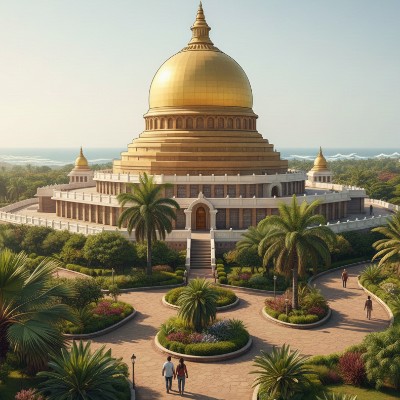
Outside SGNP, the Global Vipassana Pagoda is a major highlight with its massive golden stupa, easily accessible via the Gorai ferry. Coastal areas like Gorai Beach make for a relaxing evening break.

Suggested Itineraries:

  • Option 1 — Heritage + Nature: Kanheri Caves, Trimurti Temple, Safari, SGNP lakeside.
  • Option 2 — Trekking + Photography: Kanheri Trail, Cave 3 views, monsoon waterfalls.
  • Option 3 — SGNP + Coast: Kanheri Caves, Vipassana Pagoda, Gorai Beach.

Key Facts 

  • 🦁 Lion & Tiger Safari inside SGNP.
  • πŸ™ Trimurti Temple nearby.
  • 🌿 Shilonda Trail and viewpoints.
  • πŸ›• Global Vipassana Pagoda accessible via ferry.
  • πŸ–οΈ Gorai Beach options.
  • πŸ›οΈ Markets and eateries in Borivali.
  • πŸ“Έ Ideal for heritage plus nature photography.


Tips & Hacks for Visitors

Visiting the Kanheri Caves, Mumbai is easier and more enjoyable with a few smart preparations. The caves lie deep within Sanjay Gandhi National Park, making water, footwear and timing essential considerations.

Arrive between 7 am and 9 am to avoid heat and crowds. Carry enough water (1–2 litres per person) and wear sturdy footwear as paths can be uneven or slippery. Avoid carrying open food to prevent monkey interaction.

Mobile networks may weaken deeper inside SGNP, so offline maps or simple printed maps are useful. For photography enthusiasts, keep camera equipment protected during monsoon months.

If trekking via the Kanheri Trail, pack lightly and bring a raincoat when visiting during monsoon. Carry a small amount of cash for internal transport or snacks, as digital payments may not always work.

Key Facts:

  • ⏰ Arrive early (7–9 am).
  • πŸ’§ Bring 1–2 litres of water per person.
  • πŸ‘Ÿ Wear shoes with good grip.
  • 🍌 Avoid open food due to monkeys.
  • πŸ“Ά Weak mobile network inside SGNP.
  • πŸ“Έ Protect camera gear.
  • πŸŽ’ Pack light and carry rain protection.
  • πŸ’΅ Bring cash for snacks and transport.
3012


Places Nearby Kanheri Caves
Frequently Asked Questions
Q1: What is the best time to visit Kanheri Caves, Mumbai?
A1: The best time to visit Kanheri Caves, Mumbai is during the monsoon and winter months when the forest is lush, the weather is pleasant and the pathways are scenic. Early mornings provide the calmest experience and better photography conditions.
Q2: How much time is needed to explore Kanheri Caves, Mumbai?
A2: Most visitors require 2 to 4 hours to explore Kanheri Caves, Mumbai, including major caves like Cave 3, upper viewpoints and nearby cistern areas. Trekking enthusiasts may spend longer on forest trails.
Q3: Is there an entry fee for Kanheri Caves, Mumbai?
A3: Yes, entry fees apply for Kanheri Caves, Mumbai and the main SGNP gate. SGNP charges a park entry fee, followed by an ASI ticket for the caves. Rates vary for Indian and foreign visitors.
Q4: How far are Kanheri Caves, Mumbai from the SGNP main gate?
A4: Kanheri Caves, Mumbai are located approximately 5 to 7 km inside Sanjay Gandhi National Park. Visitors can walk, cycle or use internal buses and shared jeeps to reach the cave base.
Q5: Are Kanheri Caves, Mumbai suitable for senior citizens?
A5: Lower sections of Kanheri Caves, Mumbai are manageable for senior citizens, but upper caves require climbing stone steps and walking on uneven surfaces. Those with mobility issues should avoid steep areas.
Q6: Is photography allowed inside Kanheri Caves, Mumbai?
A6: Photography is allowed at Kanheri Caves, Mumbai, but flash, tripods and drones may be restricted depending on ASI rules. Sensitive caves like Cave 34 require extra care to protect ancient surfaces.
Q7: What are the main attractions inside Kanheri Caves, Mumbai?
A7: Key attractions of Kanheri Caves, Mumbai include the grand chaitya hall in Cave 3, ancient viharas, rock-cut stupas, cisterns, inscriptions in Brahmi and Devanagari, and panoramic viewpoints overlooking the forest.
Q8: How difficult is the trek to Kanheri Caves, Mumbai?
A8: The trek to Kanheri Caves, Mumbai is moderately easy, involving walking 5 to 7 km inside SGNP and climbing stone steps near the caves. Monsoon months may make the route slippery.
Q9: Are food and water available near Kanheri Caves, Mumbai?
A9: There are no full restaurants near Kanheri Caves, Mumbai, but SGNP has snack stalls selling tea, drinks and basic items. It is advisable to carry water and light snacks from Borivali East.
Q10: Is Kanheri Caves, Mumbai safe to visit during monsoon?
A10: Kanheri Caves, Mumbai are safe to visit during monsoon, but paths can be slippery. Visitors should wear shoes with good grip and follow marked trails, especially on the upper levels.
Q11: What is special about Cave 3 at Kanheri Caves, Mumbai?
A11: Cave 3 at Kanheri Caves, Mumbai is the grand chaitya hall featuring towering pillars, a massive stupa and an imposing carved faΓ§ade. It is the largest and most architecturally impressive cave in the complex.
Q12: Are guided tours available at Kanheri Caves, Mumbai?
A12: Yes, heritage walks and guided tours are occasionally conducted at Kanheri Caves, Mumbai by SGNP authorities and private groups. These tours provide deeper insights into history and architecture.
Q13: Can children visit Kanheri Caves, Mumbai?
A13: Children can comfortably visit Kanheri Caves, Mumbai, but parental supervision is essential due to steps, uneven surfaces and monkeys in certain areas.
Q14: Is parking available near the entry of Kanheri Caves, Mumbai?
A14: Parking is available near the main SGNP entrance, after which visitors must travel 5 to 7 km inside to reach Kanheri Caves, Mumbai via walking, cycling or internal transport.
Q15: Are Kanheri Caves, Mumbai open every day?
A15: Kanheri Caves, Mumbai are generally open from morning to evening, but are often closed on Mondays based on ASI regulations. Visitors should check timings before planning their trip.